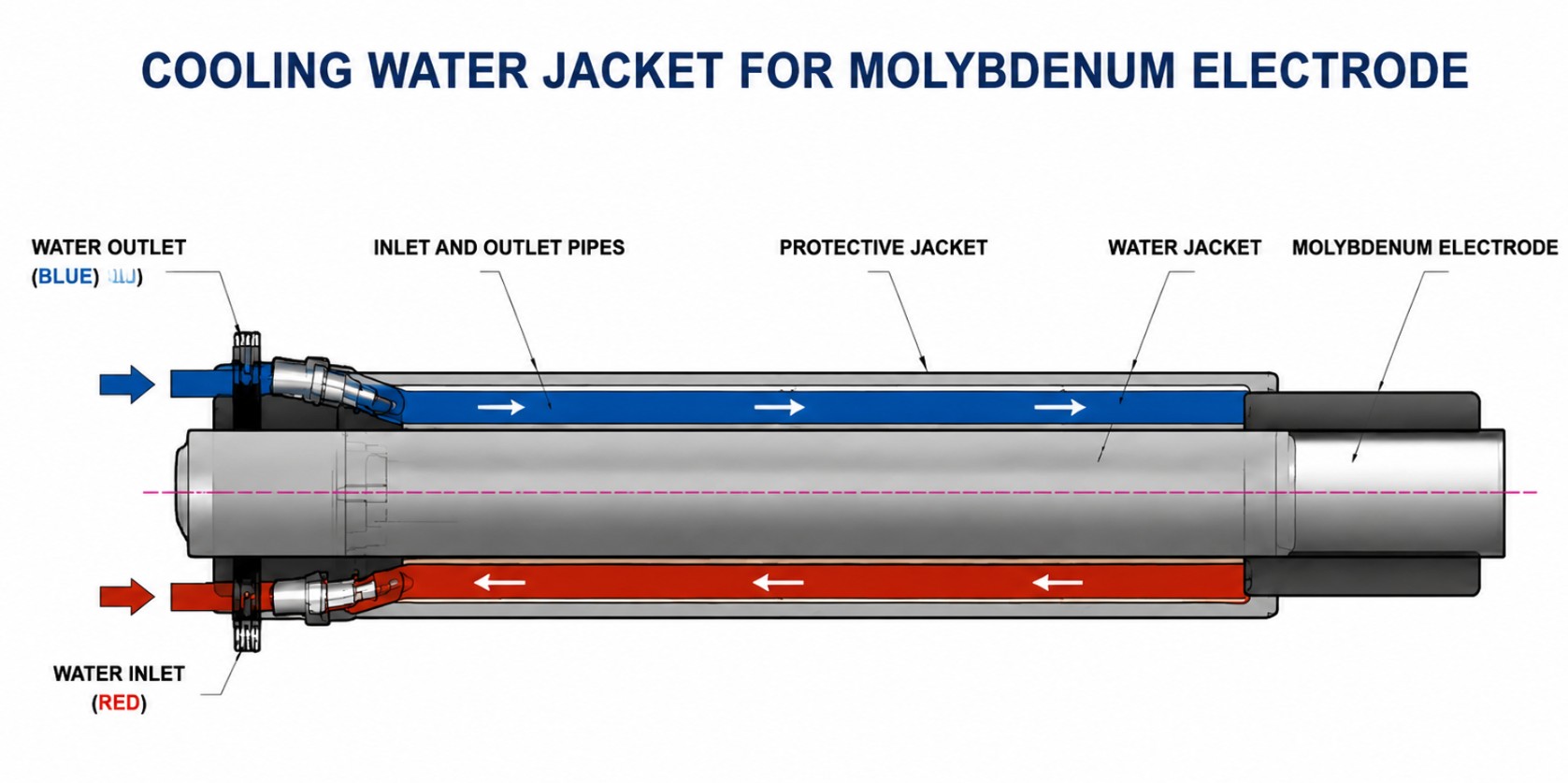
Why Water-Cooled Molybdenum Electrodes Are Essential for Glass Melting Furnaces
Water-cooled molybdenum electrodes provide excellent conductivity, superior heat resistance, and extended service life for electric glass melting furnaces, helping manufacturers improve melting efficiency and reduce operating costs.
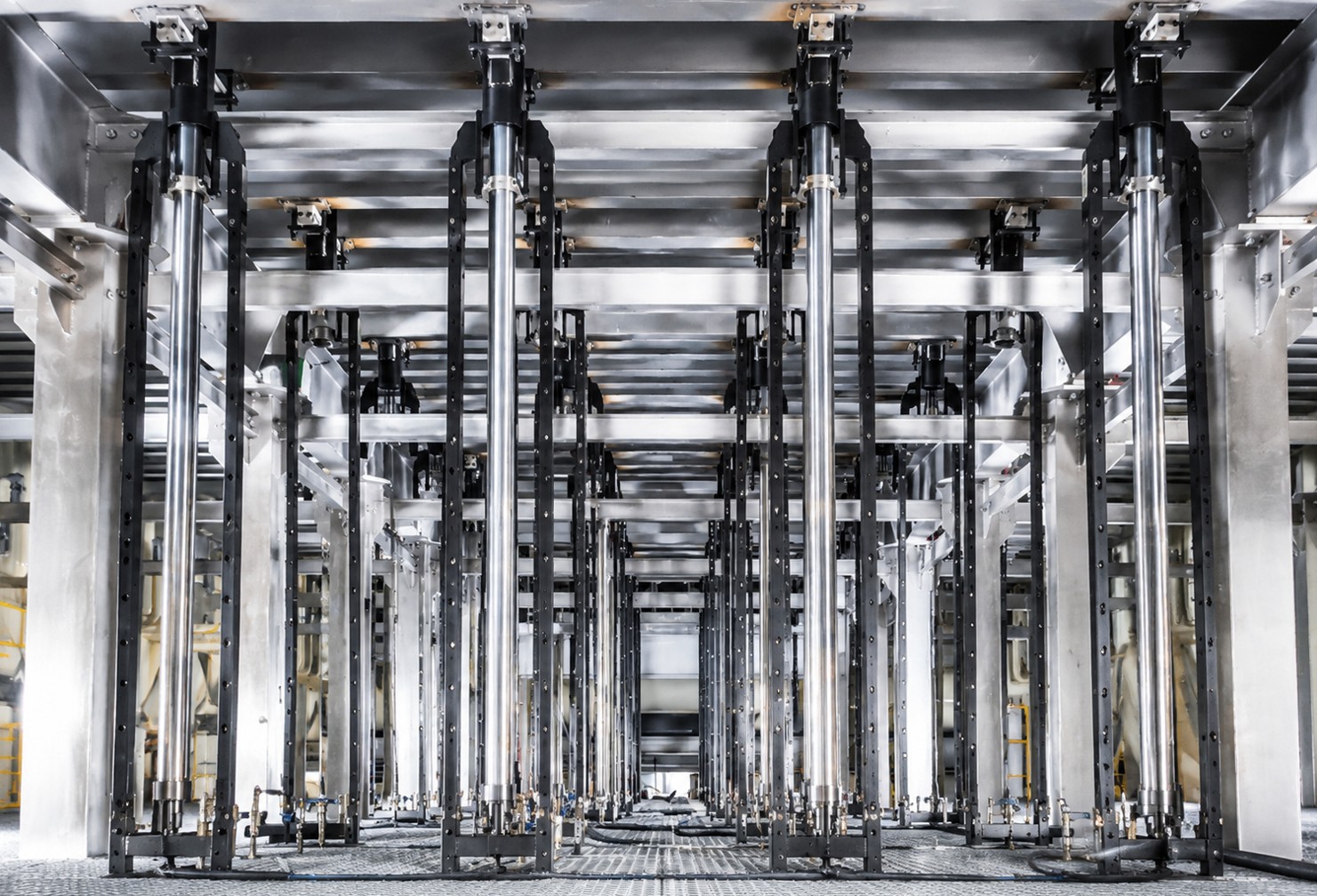
Key Components of a Water-Cooled Molybdenum Electrode Assembly for Glass Furnaces
Complete water-cooled molybdenum electrode assemblies feature adjustable tie rods, high-conductivity copper connections, and heavy-duty supporting plates for reliable glass furnace performance.
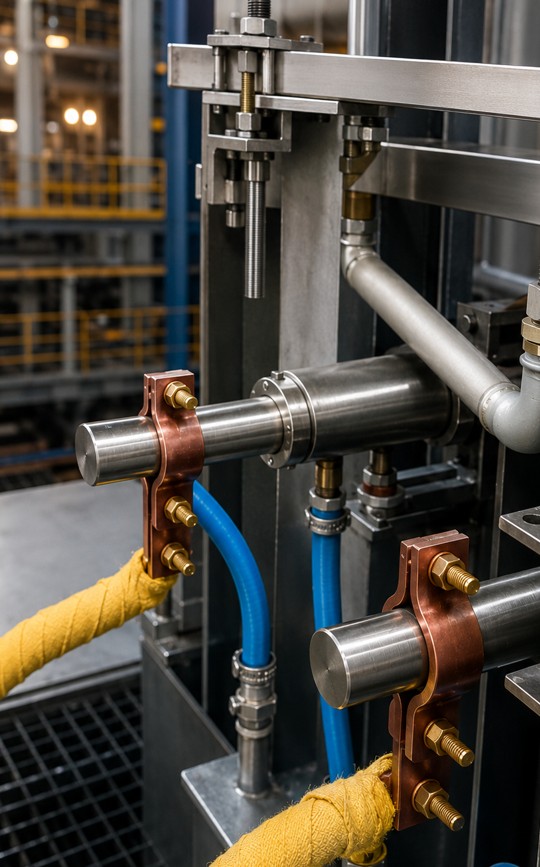
Water-Cooled Molybdenum Electrode System Installed in an Electric Glass Furnace
A complete water-cooled molybdenum electrode system installed in an electric glass furnace provides stable electrical conductivity, efficient cooling, and long service life for continuous glass production.
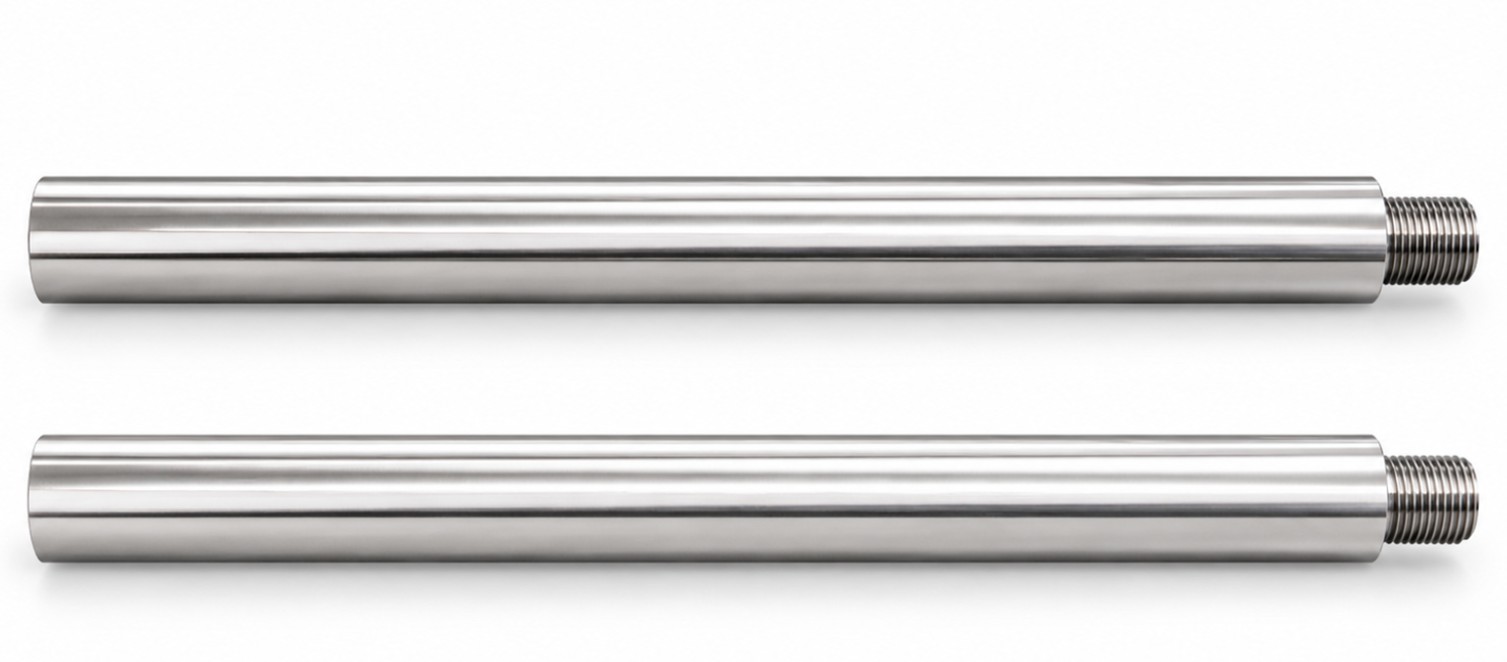
What Are Molybdenum Electrodes Used For in Glass Melting Furnaces?
Molybdenum electrodes carry the electric current that heats and melts glass directly inside the tank, prized for surviving molten glass at 1300-1600 C without contaminating the melt.
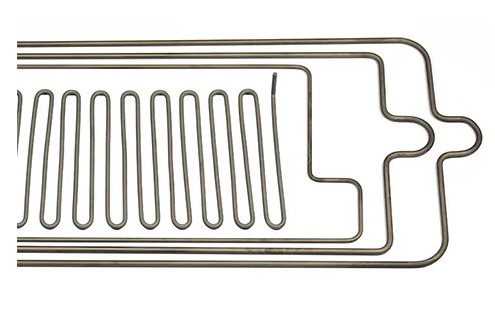
Why Molybdenum Is the Best Material for High-Temperature Furnaces
With a melting point of 2620 C, low vapor pressure and high strength at temperature, molybdenum is one of the most reliable structural materials for vacuum and high-temperature furnaces.
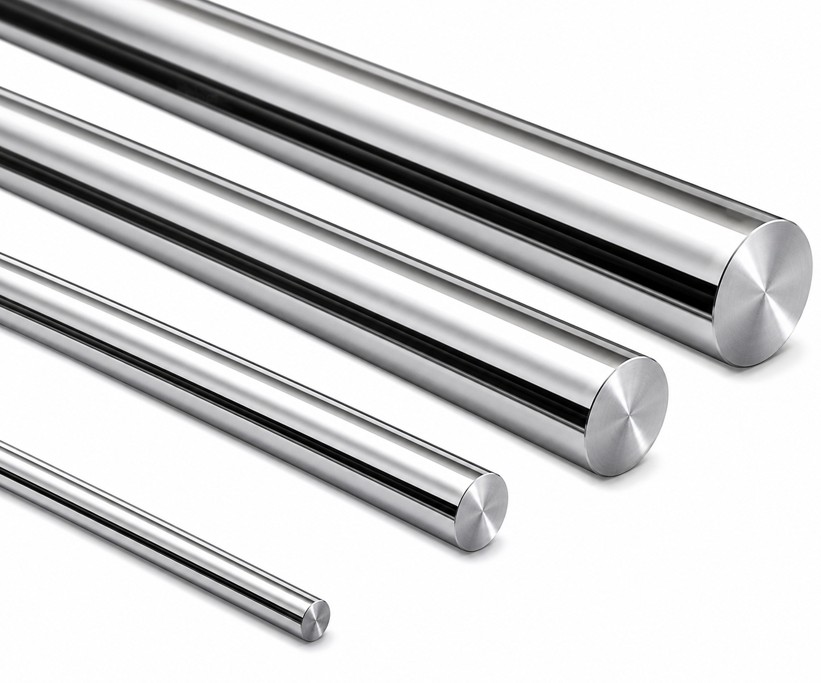
Molybdenum vs Tungsten: Which Refractory Metal Is Better?
Tungsten has the higher melting point, but molybdenum is lighter, easier to machine, more affordable and often the smarter choice below about 1700 C. Here is how to decide.
How to Select the Right Molybdenum Electrode Diameter
Electrode diameter is set by current density, furnace power and how long you need the electrode to last. This guide walks through a simple way to size it.
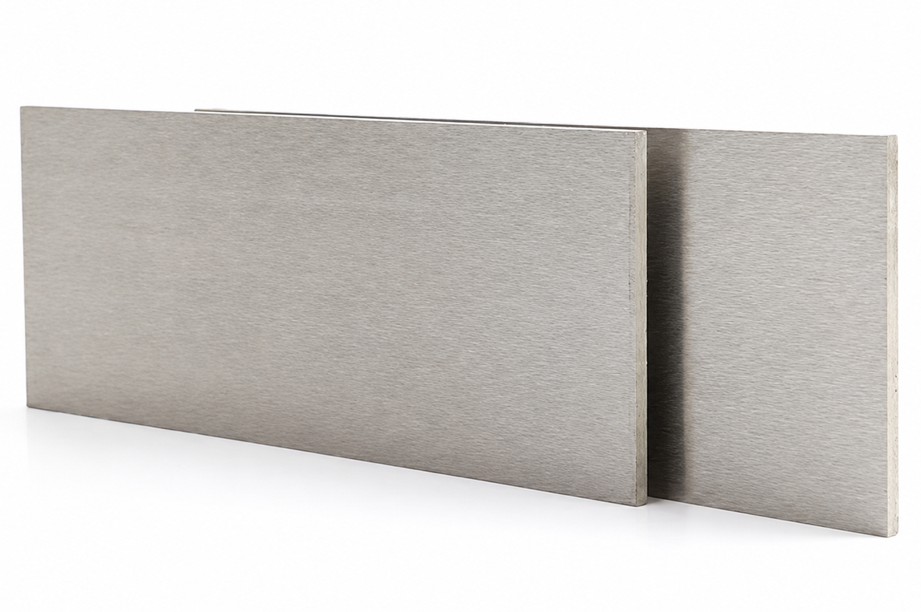
Top 10 Applications of Molybdenum Products
From plate and sheet to bar, wire, discs and heaters, molybdenum products show up across glass, vacuum furnaces, semiconductors and aerospace. Here are ten of the most common.
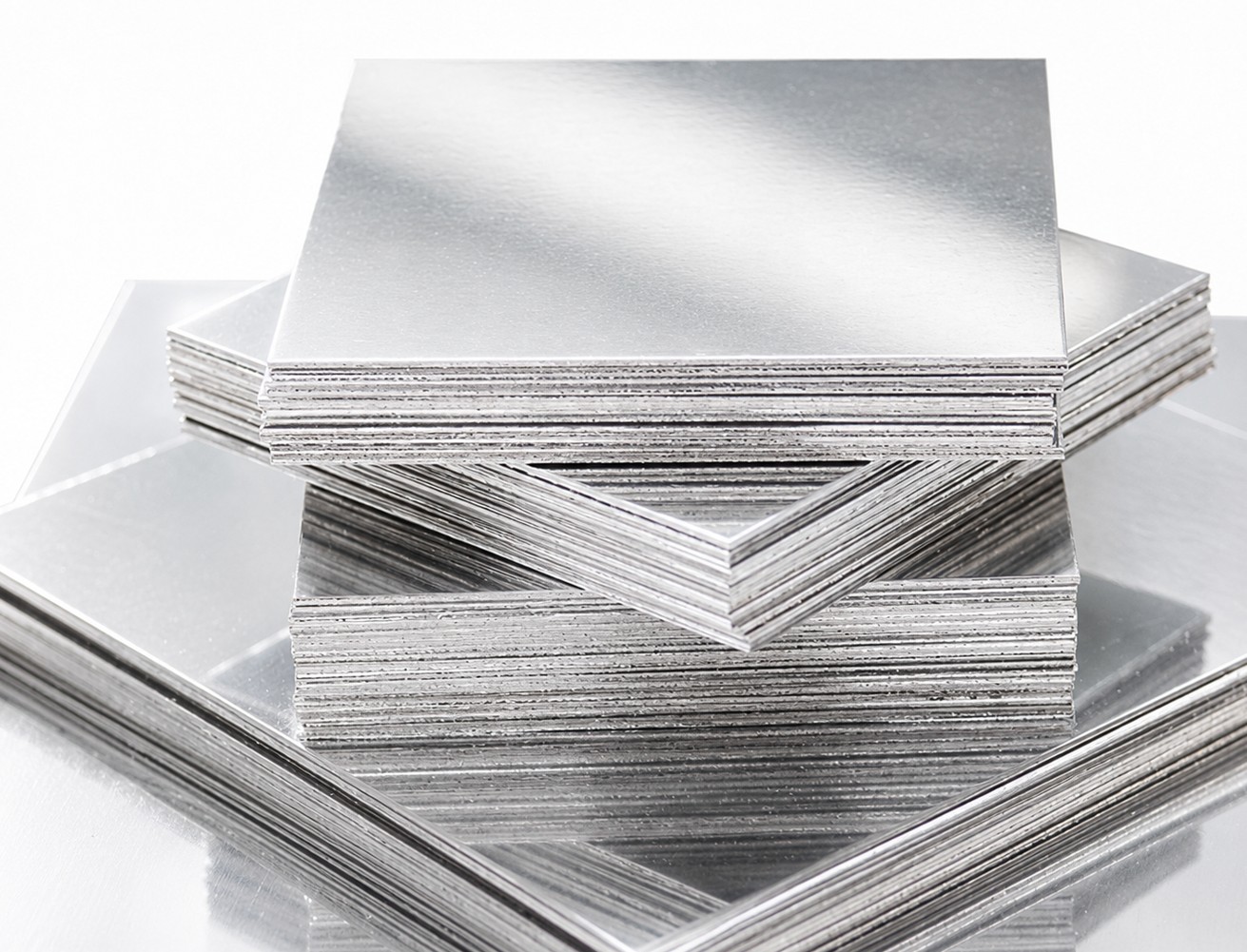
Why High Purity (99.95%) Molybdenum Matters
The difference between standard and 99.95% molybdenum shows up as longer life, cleaner glass and more predictable high-temperature behaviour. Here is why purity is worth paying for.
How Molybdenum Plates Improve Vacuum Furnace Performance
As heat shields, hot-zone walls and supports, molybdenum plates reflect heat, hold their shape and keep vacuum furnaces efficient firing after firing.
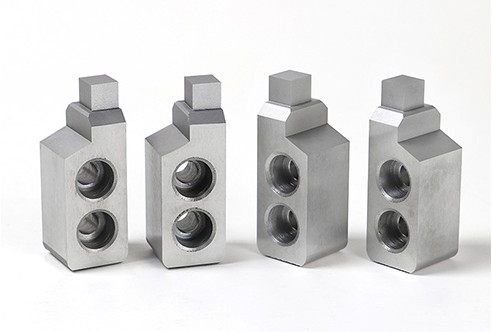
Common Machining Methods for Molybdenum Parts
Molybdenum machines well when you respect its hardness and brittleness. Turning, milling, grinding, EDM and wire cutting each have a place — here is how we use them.
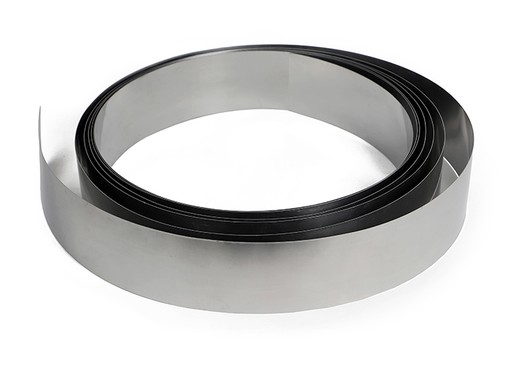
Molybdenum Sheet vs Molybdenum Foil: What's the Difference?
It mainly comes down to thickness: sheet is the thicker, structural form while foil is ultra-thin for seals, shielding and electronics. Here is where each fits.
Why Glass Manufacturers Choose Molybdenum Electrodes
Glass makers choose molybdenum electrodes for corrosion resistance in molten glass, stable conductivity, long life and clean melts — the combination that keeps electric furnaces running.